Our chauffeurs have driven these streets for more than 20 years, and the same handful of mistakes cost visitors hours every single week. The short version of their advice: chase the light, build slack for security closures, book cherry blossom dates 6 to 8 weeks out, ask any operator what the quote covers, and drink water before you feel thirsty. The 14 tips below are the long version, grouped the way a driver thinks about the day.
Light and timing
Get the timing right and the same monuments look twice as good. Afternoon is the window at the Lincoln Memorial, mornings are quietest on the Tidal Basin, and after dark the whole loop changes character. Plan the order of your day around the light, not around your hotel breakfast.
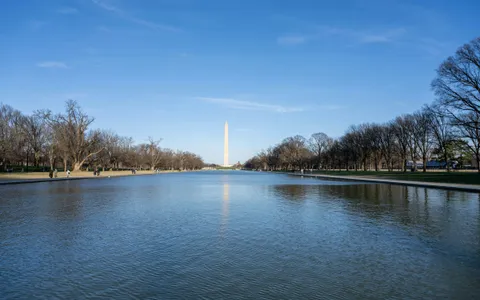
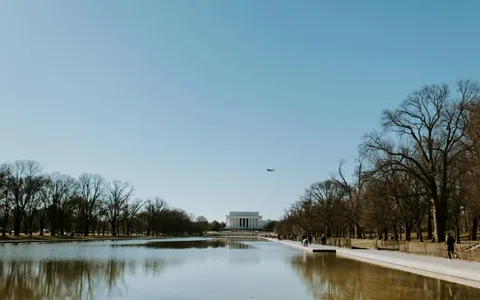
- Shoot the Lincoln Memorial in the afternoon. From the steps, the view down the Reflecting Pool is front lit and the marble holds its detail instead of blowing out. Midday crowds also thin as tour buses rotate out.
- Hit Jefferson and MLK in the morning. The Tidal Basin side of the route is at its quietest before 10 a.m. You get the Stone of Hope and the Jefferson rotunda with actual breathing room.
- Consider the monuments after dark. The memorials are lit from dusk through the night, and Lincoln, Jefferson, and the Washington Monument at night are the postcard versions. That is the whole premise of the DC night tour.
- Use the edges of the day. The first and last hour of daylight photograph best everywhere on the Mall. A 5 p.m. summer start beats a noon start for pictures, and it dodges the worst heat.
Closures, motorcades, and traffic
Washington closes streets without warning, and no app predicts it. Motorcades, demonstrations, and security sweeps can shut a block for an hour, so the only real defense is slack in the schedule and a driver who knows the second and third way around.
- Build slack into every plan. Add at least half an hour of cushion to any DC day that includes the area around the White House or Capitol Hill. Motorcade closures happen with zero notice, and fighting them is pointless.
- Respect cherry blossom season. Late March to mid-April, Tidal Basin traffic crawls and parking effectively disappears. Tour dates for those weeks book out 6 to 8 weeks ahead, so reserve early. Our cherry blossom limo guide covers the timing in detail.
- Treat the White House photo stop as variable. Some days the Pennsylvania Avenue side is open, some days the E Street side is the play. Chauffeurs check which vantage is accessible that morning instead of promising one angle.
What to walk and what to drive past
Not every landmark deserves a walk-up. The standard private circuit stops at 11 monuments and passes 19 more as narrated drive-bys, and that split exists because chauffeurs learned where time is well spent. Walk the memorials. Drive past the office buildings.
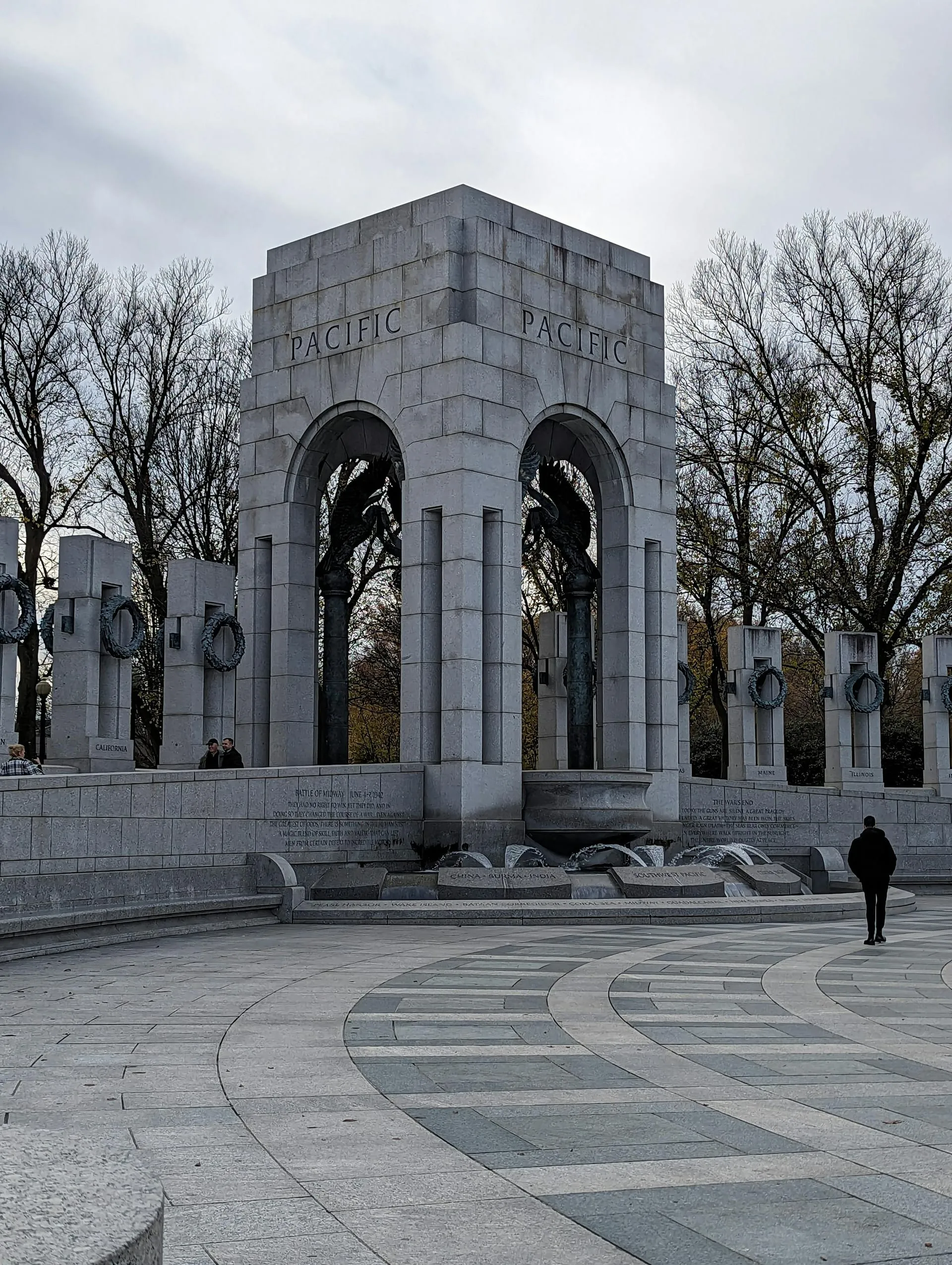
- Save your steps for the 11 core stops. The walk-up list runs the Capitol, the White House, both World War memorials, the Washington Monument, Jefferson, FDR, MLK, Korean War, Vietnam, and Lincoln. The National Mall holds nearly all of them in one sweep.
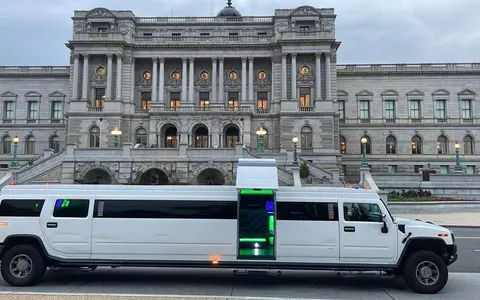
- Let the drive-bys stay drive-bys. The Supreme Court, the Library of Congress, and the Smithsonian row read perfectly well through a window with narration. Getting out at each one is how a 4-hour day becomes an 8-hour day.
- Book Arlington in the morning. Arlington National Cemetery closes in the late afternoon, so the full-day tour that includes it needs a morning start. No drive tour goes inside the White House, either; that is a separate process entirely.
Money and the fine print
A DC day costs less when the quote is clear from the start. Knowing where the pickup radius ends and confirming what a quote already covers keeps the budget honest before you ever leave the hotel.
- Know where the pickup radius ends. Our pickup is included within about 20 miles of downtown DC (ZIP 20005, roughly 30 minutes), and the travel counts inside your booked hours. A hotel in Bethesda, Arlington or Alexandria is inside that circle; a house in Fredericksburg or Annapolis is not, and dispatch quotes one flat rate for it before you book.
- Ask any operator what the quote covers. Garages near the Mall are expensive and scarce, so confirm those are handled up front and book the company that quotes you one clear number. With us the price you hear is the price you pay, and parking is on us.
The Metro, the heat, and knowing when to quit
Here is the honest trade-off: the Metro is genuinely fine for some DC days, and the heat is genuinely dangerous on others. A good plan uses the right tool for each day and stops before the group is wrecked for tomorrow.
- Take the Metro for a solo museum day. One person spending the day inside the Smithsonian buildings does not need a chauffeur; WMATA trains do that trip cheaply and well. A chauffeured vehicle earns its rate when you are a group looping monuments, on a schedule, or carrying gear. We do not run shared or hop-on hop-off buses, so every booking is a private vehicle either way.
- Drink water before you feel it. The Mall has long stretches with no shade, and the marble bounces heat back up at you from June through September. Cold water is stocked in every vehicle, and our chauffeurs hand it out before stops, not after someone wilts. In their opinion, dusk at the Korean War Veterans Memorial is the best 15 minutes on the route, partly because the day has finally cooled.
Put the tips to work, or borrow the driver
Every tip above is baked into how a private tour already runs: the route order follows the light, the chauffeur reroutes around closures in real time, and the pacing leaves slack on purpose.
Compare the 4-hour monuments tour against the full-day version, or browse every private DC tour by theme and group size. Tours start from $440 for a 4-hour private executive sedan.
Call (202) 609-9811 and an expert answers 24/7, or book your tour online once you have a date in mind.